GTM Playbook · 8 min read
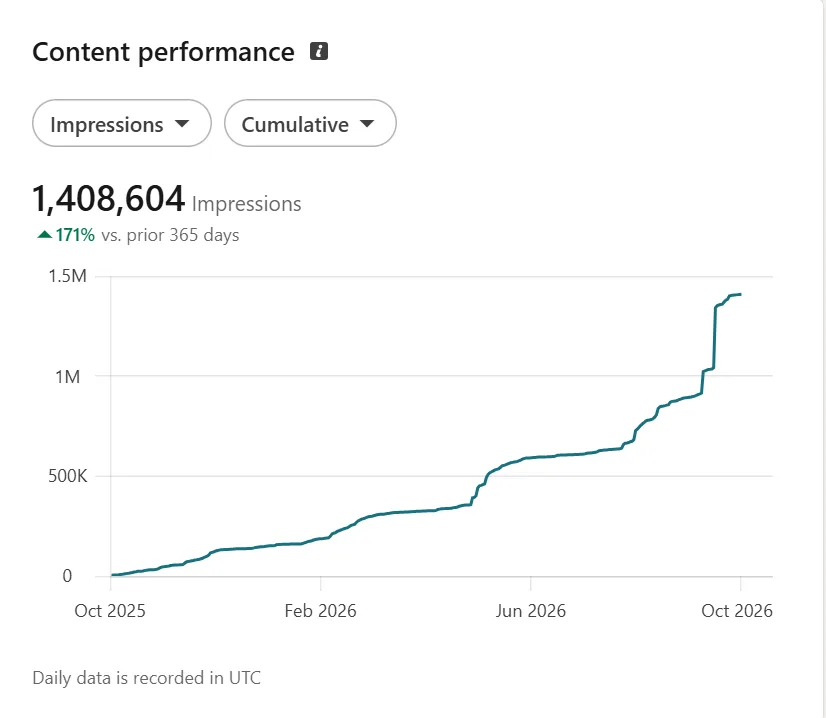
Inbound led Outbound on LinkedIn that generated ~1.4M impressions
What This System Produces
Real numbers from real campaigns we run with this exact system — not projections:
| Metric | Result |
|---|---|
| LinkedIn reply rate | ~47% (57% connection acceptance) |
| Email reply rate | ~14% |
| Prospects worked per booked meeting | ~25 (vs. ~200 cold) |
| Demos booked per day | 3–5 |
| Steady-state cadence | 18+ qualified conversations per week |
How we turn content into conversations — and conversations into booked demos — using two methods that compound when you run them together.
A Short Note Before You Read
I'm Shabbir, co-founder of Coolie and a 2x founder with 11 years in sales. I've sent, received and analysed over 628,000 cold emails — and the single biggest unlock wasn't a better tool. It was realising LinkedIn isn't a professional network. It's a warm-lead generation machine that most people use as a billboard.

This is the exact system my team usesI use to fill Coolie's own pipeline: a content engine that pulls warm leads toward us, and a signal engine that goes and finds them — running at the same time so the two compound.
→ If you'd rather skip ahead and try the tool that automates it: trycoolie.ai (7-day free trial)
The Big Idea: Two Methods, One Flywheel
There are two reliable ways to turn LinkedIn into a demo engine.
- Inbound — the Magnetic Post. You make leads come to you. A strong hook, a free resource, and a way to capture everyone who raises their hand.
- Outbound — the Signal Engine. You go to the leads, but only the ones already showing buying behaviour this week.
Most people pick one. The compounding happens when you run both: your content creates a pool of warm engagers, and your signal engine works them while they still remember your name. Inbound builds the audience; outbound converts it. Neither feels cold.
Method 1 — The Magnetic Post (Inbound)
The goal is simple: make the right people raise their hand in public.
Step 1 — The hook
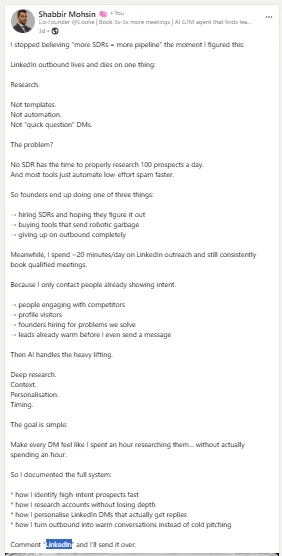
You need an opening line that stops the scroll. The best hooks are contrarian or tension-led — they name a frustration your buyer already feels.
Weak: "5 tips for better outbound."
Strong: "Outbound isn't dead. Your 'Hey {firstName}, congrats on the funding!' opener is."
The hook earns the next line. The next line earns the rest.
Step 2 — The keyword-for-resource mechanic
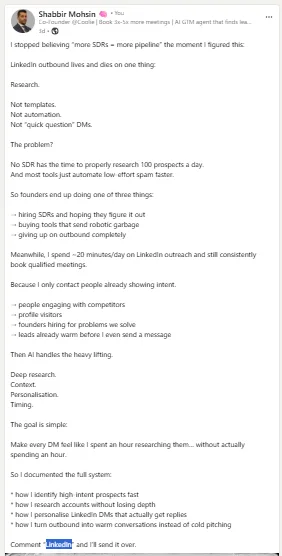
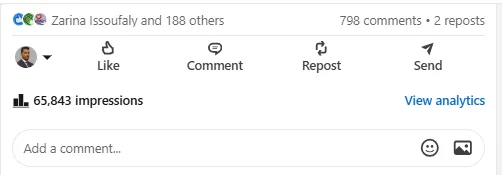
End the post by asking people to comment a keyword to get a free resource — a playbook, a PDF, a prompt library, a teardown. Something genuinely useful, not a brochure.
"Comment AI and I'll send you the exact 4-agent prompt library my team runs — the one behind our ~45% LinkedIn reply rate."
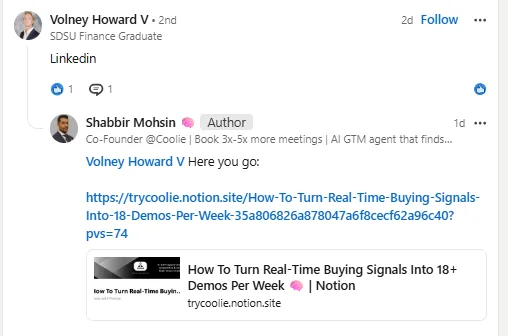
When they comment, reply in the thread with the resource. Two rules that matter:
- Keep links out of the post body. LinkedIn down-ranks posts with external links in the body, so put the link in a comment reply instead. Your reach stays intact.
- Don't mass-DM the resource. It reads as spam and tanks the goodwill the post just earned. Reply where they engaged.
Step 3 — The resource does the selling
The resource is where you showcase your solution — by being useful first. The point of a magnetic post isn't to book a call today. It's to let people get to know you, post after post, until working with you feels obvious. A lead magnet is a relationship, not a CTA.
Step 4 — Capture the hand-raisers
Everyone who liked or commented just told you they have the problem you solve. That's your warmest possible audience. Pull them into your pipeline and nurture them — this is where Method 1 hands off to Method 2. (Coolie's Prospect Agent picks up post engagement automatically and adds those people to your pipeline, but you can export them by hand too.)
How To Never Run Out of Content
Two habits keep the engine fed.
Always include a visual. A photo of you, a blurred screenshot of your framework, a simple diagram — anything. Posts with images grab attention and roughly double reach. A text-only post is a post fighting with one hand tied.
Never start from a blank page. Find what's already working in your niche and adapt it. Model the structure of a post that went viral, then make the hook, the numbers, the resource and the tone unmistakably yours. You're not copying the content — you're borrowing the shape and filling it with your own substance. The shape is proven; the substance is what builds your authority.
That's the whole loop: post consistently, show expertise through the resource, identify the hottest leads by who engages, and let the outbound engine turn those impressions into conversations.
Method 2 — The Signal Engine (Outbound)
The second method: go find the people already showing buying intent — and reach them at the moment their situation changed.
Why this beats cold outreach
Here's the honest state of LinkedIn outbound:
| Cold outreach | High-intent outreach |
|---|---|
| 1–2% response rate | 25–40%+ response rate |
| ~100–200 messages per booked meeting | ~25 prospects per booked meeting |
| People are defensive from line one | People already know your market |
| Fighting for attention | Joining a conversation they started |
The difference is intent signals. When someone comments "interested" on a post, hires three SDRs, or announces funding, they're raising their hand. That's a 100x stronger signal than any data point you can buy.
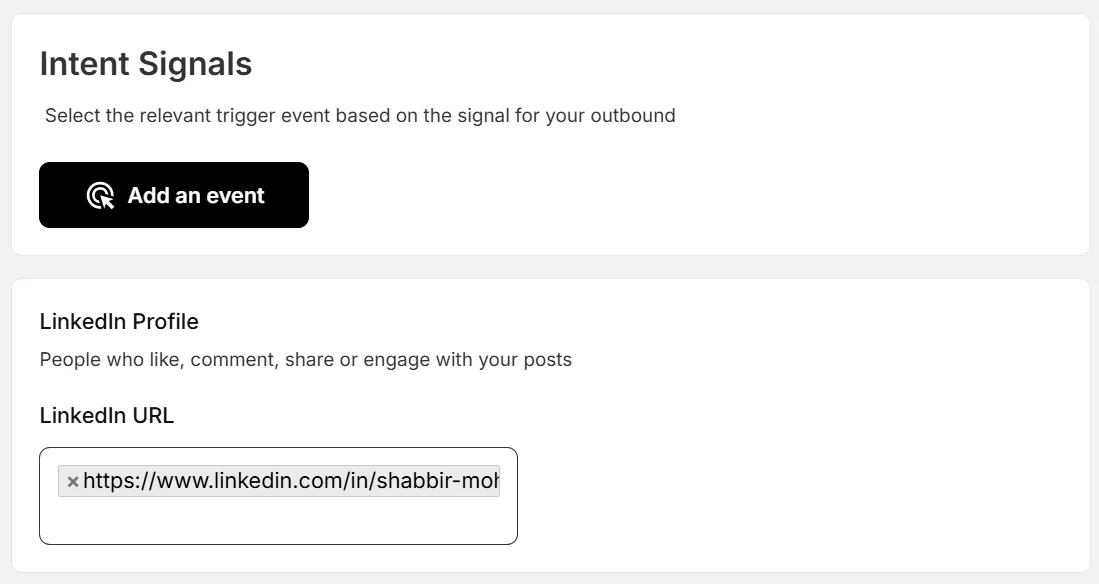
The signals worth building around
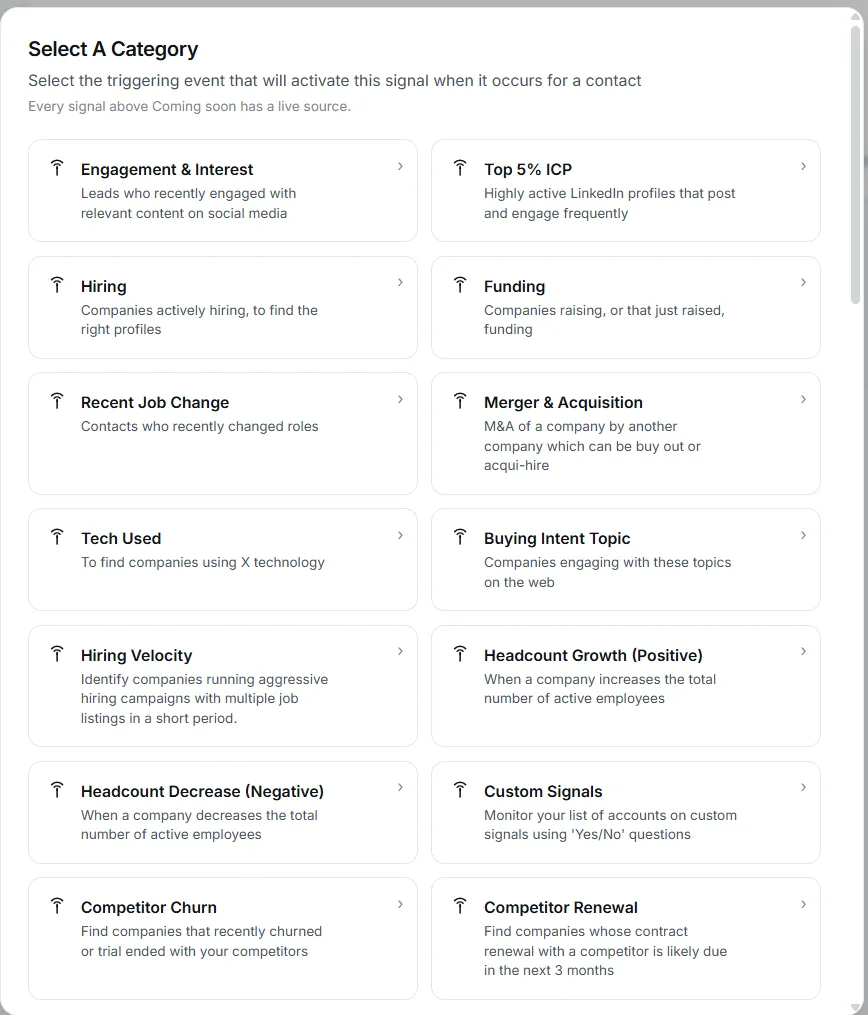
- Liking or commenting on a competitor's post (or yours)
- Engaging with an influencer in your niche
- Starting a new role — especially VP or C-level
- Making 2+ key hires into a function in 30 days
- Announcing fresh funding
- Publicly asking for tool recommendations or venting a pain point
Reach out with one of these and you're not interrupting — you're well-timed.
You can hunt these manually (expect ~3 hours a day per rep) or let agents surface them every morning. Either way, the next part — what you actually say — is the same.
Turning Hand-Raisers Into Conversations
You've got warm engagers from Method 1 and intent leads from Method 2. Now the part most people fumble: they get 300 warm people and send a 3,000-word pitch. Here's how we actually open.
The first DM (no pitch — just adding value)
`Hey {{firstName}} — I put together a resource showing how we use high-intent buying signals + AI to book 18 meetings a day
Want me to send it?`
~27 words. No pitch. Most people answer. Now you're in a conversation, not a campaign.
The second DM (if they don’t reply after 2-3 days)
`{{firstName}}, Sending it here in-case you missed my last message: [insert link]
Thought you'd find it useful if I send it directly`
The last DM (if they go quiet after 2-3 days)
Hi {firstName} — What do you think about it?
One thing that separates this from generic outbound: the deeper the conversation goes, the more you anchor on tension, not personalisation. Don't reference their funding round — reference the friction that funding round is creating for their role this week. That single shift is what takes a reply rate from 1% to double digits.
A Full Worked Example
Here's the inbound flywheel running end to end.
The post:
Outbound isn't dead. Your "Hey {firstName}, congrats on the funding!" opener is.
The reply (in-thread, to each commenter):
Sent! Here's the full breakdown: [resource link]. The Agent 3 section on "hidden problem vs visible event" is the part I'd start with — curious what you make of it.
What happens next: every commenter is now a warm, self-identified lead. They get pulled into the pipeline (Coolie's Prospect Agent does this automatically off the post engagement). Two days later, the first DM goes out — not a pitch, a question — and because they already read your resource, you're not a stranger. You're the person whose framework they just saved.
That's the whole flywheel: the post earns the audience, the resource earns the trust, the capture earns the pipeline, and the DM earns the conversation.
Your First 4 Weeks
A realistic ramp — no "9 calls in 2 days" promises; that comes once the system has data to learn from.
Week 1 — Foundation. Post 2–3 magnetic posts, switch on 3–5 signal agents (competitors, job changers, funding), and start working both warm pools.
→ 50–100 warm leads, 10–15 conversations, 2–3 meetings.
Week 2 — Tighten. Double down on the post format that pulled the most comments; cut the weak signals; start full multi-channel sequences.
→ 100–150 leads, 25–30 conversations, 5–8 meetings.
Week 3 — Scale. Add agents (Top 5% ICP, content engagement, company-page visits) and post on a consistent cadence.
→ 300–400 leads, 40–50 conversations, 10–15 meetings.
Week 4+ — Compound. Your content builds an audience while your signal engine works it. Reply data sharpens what lands. This is when you hit 18+ qualified conversations a week consistently.
Where Most Teams Hit The Wall
The methods above work. Two things break in practice — neither is the content.
Problem 1: capturing and nurturing engagers by hand doesn't scale. A post that pulls 200 comments is 200 leads you'll never work if exporting and sequencing them is a manual afternoon. The pool goes cold while you're copy-pasting.
Problem 2: signal hunting eats the day. Monitoring competitor engagement, funding, job changes and hiring spikes yourself runs ~3 hours per rep per day — before a single message goes out.
How Coolie fits in
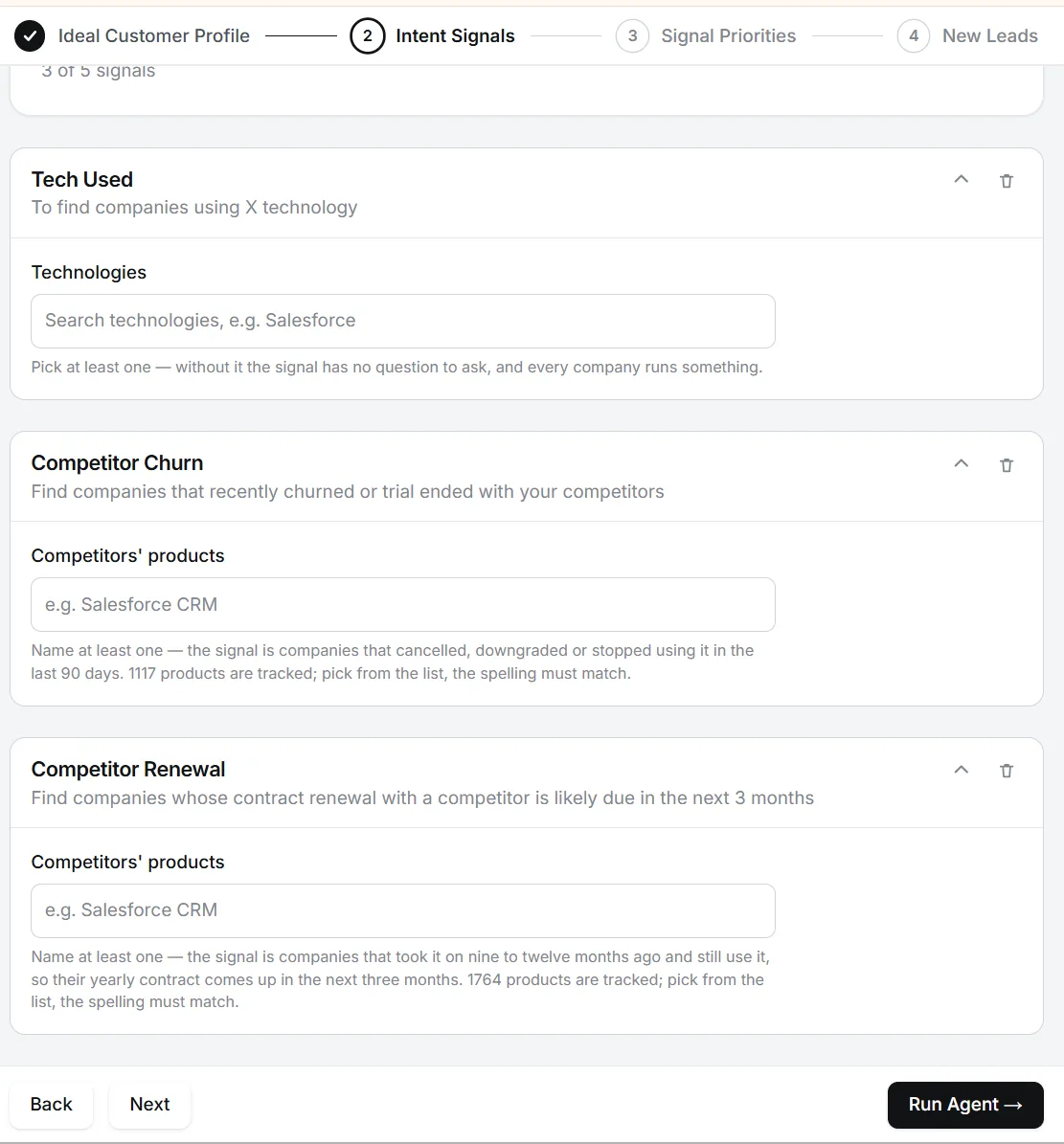
- The Prospect Agent monitors LinkedIn, news, job boards and filings 24/7 across 40+ signal events — and picks up engagement on your own posts — surfacing warm prospects every morning.
- The Research Agent runs the research and the deep insight analysis so every message anchors on real tension, not a merge tag.
- The Sequence Agent writes the full multi-channel cadence — email, LinkedIn, WhatsApp and a call script — all built on one insight.
You bring the content and the judgement. Coolie brings the capture and the speed. Run it by hand, or let the agents run it for you.
What This System Produces
Real numbers from real campaigns we run with this exact system — not projections:
| Metric | Result |
|---|---|
| LinkedIn reply rate | ~45% (57% connection acceptance) |
| Email reply rate | ~14% |
| Prospects worked per booked meeting | ~25 (vs. ~200 cold) |
| Demos booked per day | 3–5 |
| Steady-state cadence | 18+ qualified conversations per week |
Get Started
→ Create a free Coolie account: trycoolie.ai (7-day trial) — most teams have signals running through their pipeline within 10 minutes.
Post the content yourself, and let Coolie's agents capture the engagers and work the signals on autopilot. Native HubSpot integration; Salesloft and Reply on request. Message us inside the product and our team replies in under an hour to walk you through your first campaign live.
Stop treating LinkedIn as a billboard. Every post is a net, every comment is a lead, every conversation is an opportunity. Make that shift and you'll never struggle for meetings again. 🚀
— Shabbir, Co-founder, Coolie
Real Results From Teams Running This System ⬇️
1. How Recruiterflow's Sales Team Tripled Reply Rates in One Week
→ Click here to read the full case-study
2. How Datatracks 6x Email Reply Rates and Gave ~208 Hours
→ Click here to read the full case-study